
As part of the Travel Without a Passport cultural exchange series, the Office of Global Affairs (OGA) hosted a session featuring Philipines at Jianguo Campus. The event was designed to provide students with a deeper understanding of Philipine’s culture, traditions, and way of life while promoting intercultural learning and appreciation among the campus community. Through presentations, discussions, and interactive activities, participants had the opportunity to explore a country that many were unfamiliar with and gain valuable insights into its rich cultural heritage. The event attracted students from various countries and backgrounds, creating a welcoming environment where everyone could learn from one another and broaden their global perspectives. The session began with an immersive introductory presentation. The speakers effectively used PPT slides to share their country’s rich history, diverse culture, and unique culinary traditions. By incorporating colorful pictures and engaging storytelling, the presenters provided participants with a clear and vivid vision of the Philippines. This visual introduction not only captured the audience’s attention but also established a solid foundation for the cultural journey that followed.
To highlight a key component of their literary heritage, the presenters invited a Filipino student from the audience to share a piece of traditional poetry. The poem was performed in Tagalog, the most widely spoken native language in the Philippines, which added an authentic emotional depth to the delivery. Through its rhythm and themes, the selected poem perfectly represented the core identity and values of Filipino culture. Afterward, the speakers translated the verses into English, ensuring that the meaningful cultural messages were accurately conveyed to the international student.
The major highlight of the session was the introduction of a signature dessert: Filipino Fruit Salad. The presenters explained that this creamy, festive staple is a significant part of their holiday traditions, typically enjoyed with family during major celebrations like Christmas. They described its unique combination of ingredients, including canned mixed fruits, kaong (palm fruit), and nata de coco (coconut gel), all folded into a rich mixture of all purpose cream and sweetened condensed milk. This distinct sweetness does more than just create a refreshing taste; it beautifully symbolizes the warm, hospitable, and expressive nature of the Filipino people.
Throughout the session, the presenters also introduced the basics of the Tagalog language and taught the audience several essential phrases. This smoothly transitioned into an interactive language Q&A activity, where participants were challenged to guess the meanings of specific words or practice speaking them aloud. To encourage collaboration, Filipino students paired up with international participants to help them solve the language puzzles. This teamwork significantly enriched overall engagement, breaking down language barriers and fostering meaningful cross-cultural connections among the students.
The overall atmosphere throughout the event was incredibly vibrant, energetic, and highly interactive. From the very beginning, the session established a welcoming environment where everyone including the presenters, international participants had ample opportunity to converse and connect with one another. Rather than just passively listening, the participant was actively involved, which made the learning experience feel dynamic.
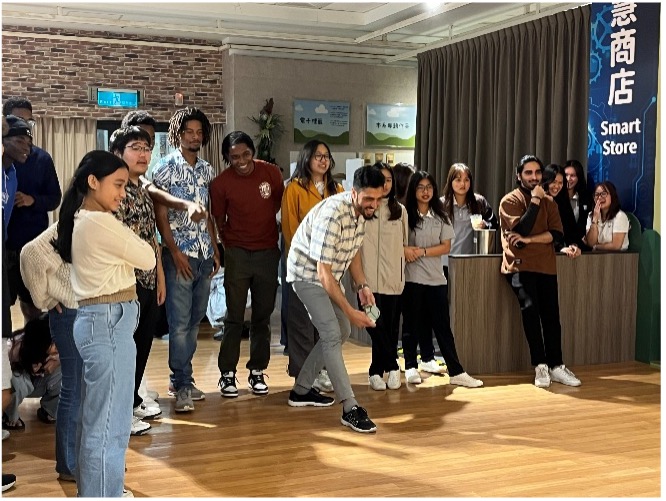
One of the most enjoyable highlights of the day was the interactive game session, which energized the room by encouraging participants to move around and collaborate. These traditional games offered a hands on way for international students to experience Filipino culture firsthand while having fun. At the same time, the activities created a beautiful full circle moment for the Filipino students, giving them a nostalgic opportunity to reminisce about their own childhood memories. This blend of playful energy and shared memories created a remarkably lively, positive, and warm atmosphere in the room. Participants expressed immense gratitude, noting that they gained deep insights into a country they previously knew very little about. The feedback highlighted that the event was not only educational but also a powerful bridge for fostering long-lasting international friendships.
The Travel Without a Passport: Philipine session successfully introduced participants to the rich history, culture, and traditional heritage of the Philippines. Through a seamless combination of cultural sharing, visual presentations, powerful poetry, delicious cuisine, and interactive games, the event beautifully demonstrated how cross-cultural exchange can foster genuine curiosity, understanding, and connection among diverse student groups. For the organizers, witnessing such high levels of active engagement was incredibly rewarding. It proved that the event successfully achieved its core missions, creating an unforgettable cultural experience, providing participants with a wealth of new insights, and ultimately bringing the global community a little closer to Tzu Chi University.